Therapy for Adolescents
WHO I HELP
For youth between 13-18 years of age
Is your teen suddenly withdrawing and disconnecting in way that seems more the just “being a teenager”? Are you concerned about them experimenting with substances, or maybe more than experimenting? Do they struggle to make friends, or are constantly finding friends who you worry may not be the best influence? Or maybe their attendance or grades have dropped, or they have stopped going to school completely? When teens experience anxiety, depression, grief, or struggle to cope with stress and life transitions, they may not verbally tell you they are struggling—but they will show you.
Being worried about your child’s wellbeing and not knowing how to help them is agonizing. Getting them connected with an adult they can trust (and who you trust to guide them back to you as they need it) can offer relief to both teens and parents.
You can read more about my experience working with teen and families in the About Me section.
Anxiety & Worry
The world today is full of pressures, even for teens. Social, academic and familial—not to mention that whole becoming an adult thing. Anxiety can help us prepare for the future and point us towards things that matter in life, but it can also take over. When that happens, our mind gets stuck in the past and/or future, making it hard to the things that feel important in the present.
Family and Life Transitions
As hard as parents work to provide consistency for their kids, change is inevitable. Parents divorce, loved ones pass away, families need to move. When those changes coalesce during adolescence, it can make the transition to adulthood all the more difficult—for teens and their family members.
Depression
Substance Use & Misuse
Like adults, most teens use substances as a way to cope with some internal pain. Though the risks for teens are much higher due to a still developing brain and body, research also shows that their path to recovery looks different. If your teen is using substances beyond developmentally ‘normal’ experimentation (don’t worry, I’ll assess for this), family therapy will likely be the most effective approach.
School Refusal
Kids don’t need their parents to have all the answers, they just need to know you’ll be with them while you figure it out, together.
WHAT I HELP WITH
Adolescence is a stage of development marked by a withdrawal from parents/caregivers, and a deep need for connection through peer relationships. But sometimes the support of a caring adult can be a bridge to get them through a difficult season, and even a bridge back to the adults in their lives who care.
Trauma & PTSD
The developmental stage someone is in when a trauma occurred impacts how they make sense of it. For children this often means viewing themselves as the source of their deepest pains. This is protective in the short term, but unaddressed it can lead to persistent feelings of guilt, anxiety and fear later in life.
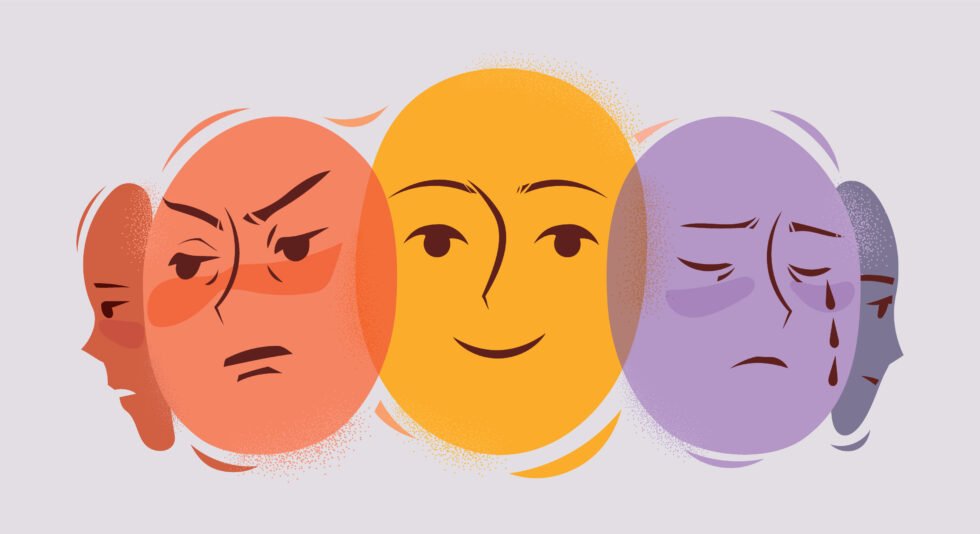
Fluctuating Moods
Is it normal adolescence or is it something else? Maybe you are seeing your kid suffer from the outside, unsure of how to help (or how to get them to let you help); or maybe their moods escalate into arguments and leave you feeling like a punching bag for their feelings. Teens are moody, sure—but if your gut is telling you they might need help, trust it.
HOW I HELP
I use approaches that allow us to connect with experiences beyond what we can verbally communicate, and to see all parts of ourselves within the larger context(s) that shaped them.
-
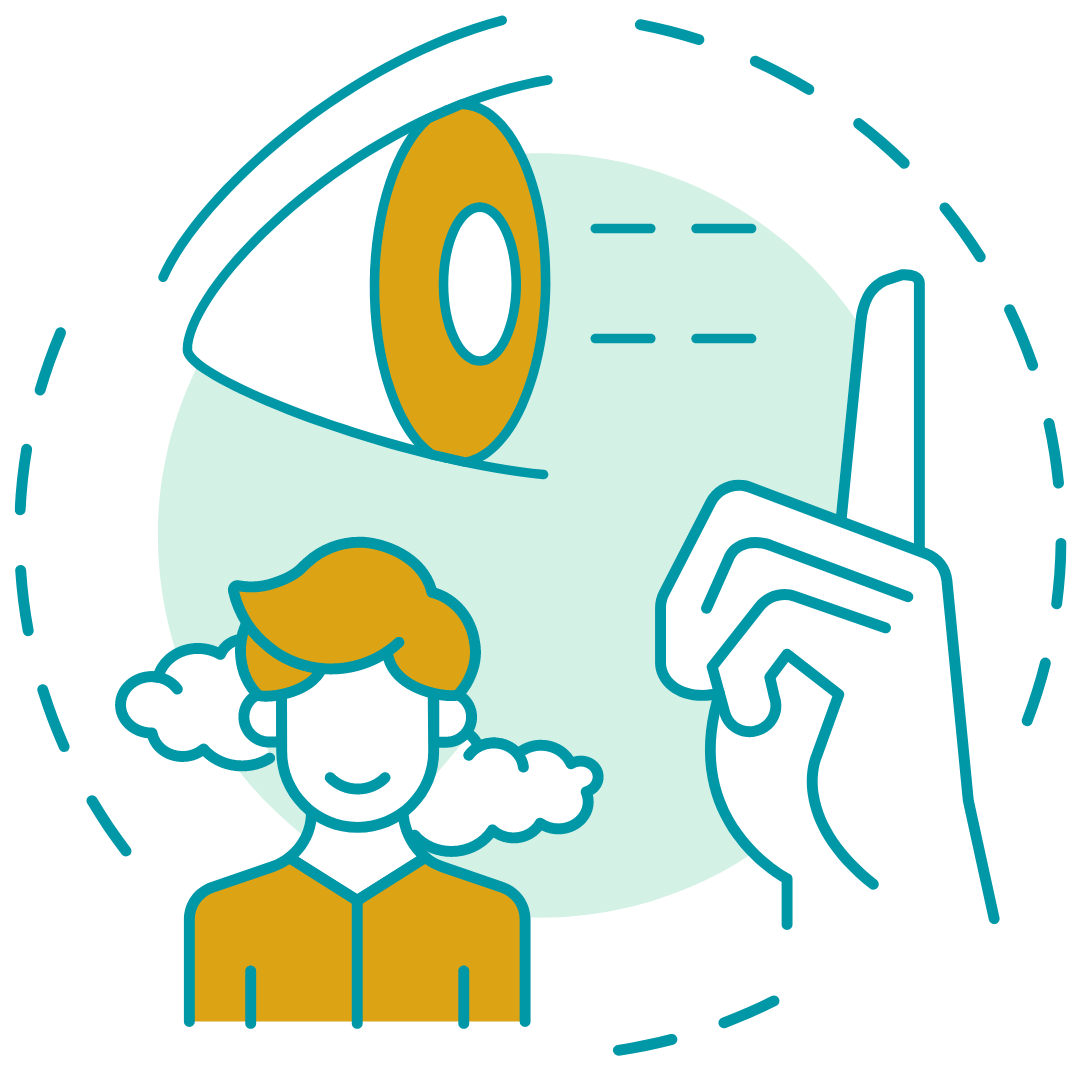
![cartoon image suggesting that an eye is following a moving finger]()
Eye Movement Desensitization & Reprocessing
An evidenced-based treatment for trauma and PTSD, that has been adapted to treat a variety of symptoms and presentations, including anxiety, panic attacks, and even performance enhancement for athletes.
Specialized Training
EMDRIA Certified - 2025
EMDR Basic Trained - 2019 -
![]()
Internal Family Systems
A therapeutic approach that helped people navigate their inner landscape by through parts work. This might be an emotional part (like anger), a hidden part (like an inner child) or a rescuing part (like substance abuse). IFS offer a way to learn about yourself with more curiosity and less internal conflict.
Specialized Training
IFS Training Series, Carmen Jimenez-Pride - 2022
Dyadic Training with Bonnie Weiss - 2018 -
![]()
Acceptance & Commitment Therapy
Rooted in the science of behaviorism and the spirituality of Buddism, ACT offers a framework for identifying what matters to you, building tools to make changes where you can, and accepting the parts of life that our out of our control.
Specialized Training
Basic Training with Russ Harris - 2025 -
![]()
Cognitive Behavioral Therapy & Trauma Focused CBT
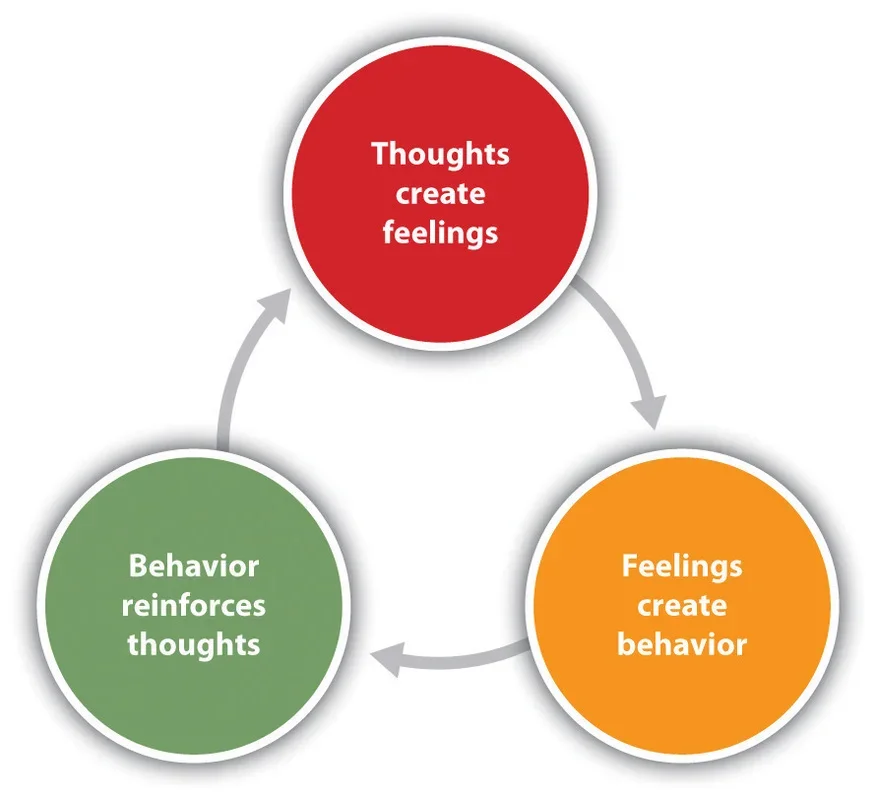
Tools to build an understanding of how trauma impacts thoughts/beliefs, feelings and behaviors; and how those internal experiences impact one another. While I have been trained in Trauma Focused CBT and use key aspects in my work, I generally find that other approaches are more gentle approach.
Specialized Training
TF-CBT Training Series with Alicia’s Place - 2021 -
![]()
Dialectical Behavioral Therapy
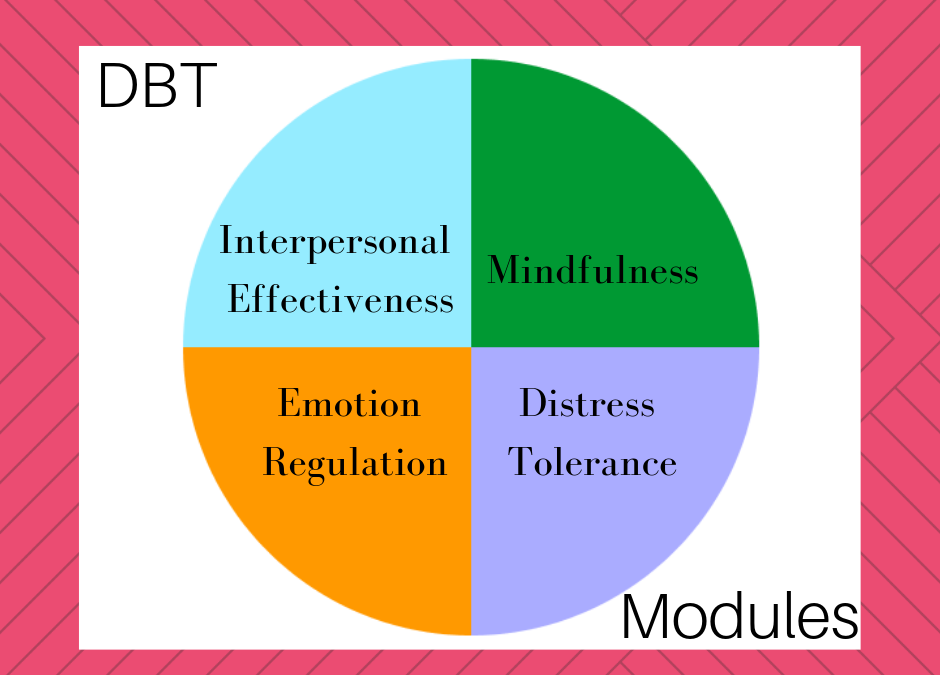
A framework that allows multiple feelings/stories/beliefs to exists at once; and tools to get through the discomfort when they come into conflict. DBT supports individuals to find and modify tools so that you are figuring out what works best for you.
Specialized Training
Strategies for Emotional Regulation, Impulsivity and Interpersonal Problems to Help System-Involved Youth with Lincoln Families - 2023